
A fixed opening time changes how every decision is made
Seven stages, planned backwards from the moment the hall opens. The sequence is not there to look organised. It exists because a stand that is late is a stand that did not happen.
The show, the venue, the floor space, the number of open sides, the objective for the stand and the date the hall opens. Anything already fixed is a constraint, and constraints are useful this early.
Layout, visitor flow and visual hierarchy, with an initial direction for structure, materials and lighting. This is where the stand is tested against the aisle, not against a moodboard.
Specifications and drawings finalised for production and prepared for the organiser submission. Nothing is manufactured before this stage is agreed, because changing a drawing is cheap and changing a build is not.
Structure, graphics, fixtures and finishes manufactured and prepared. Components are packed in the order the crew will need them on site.
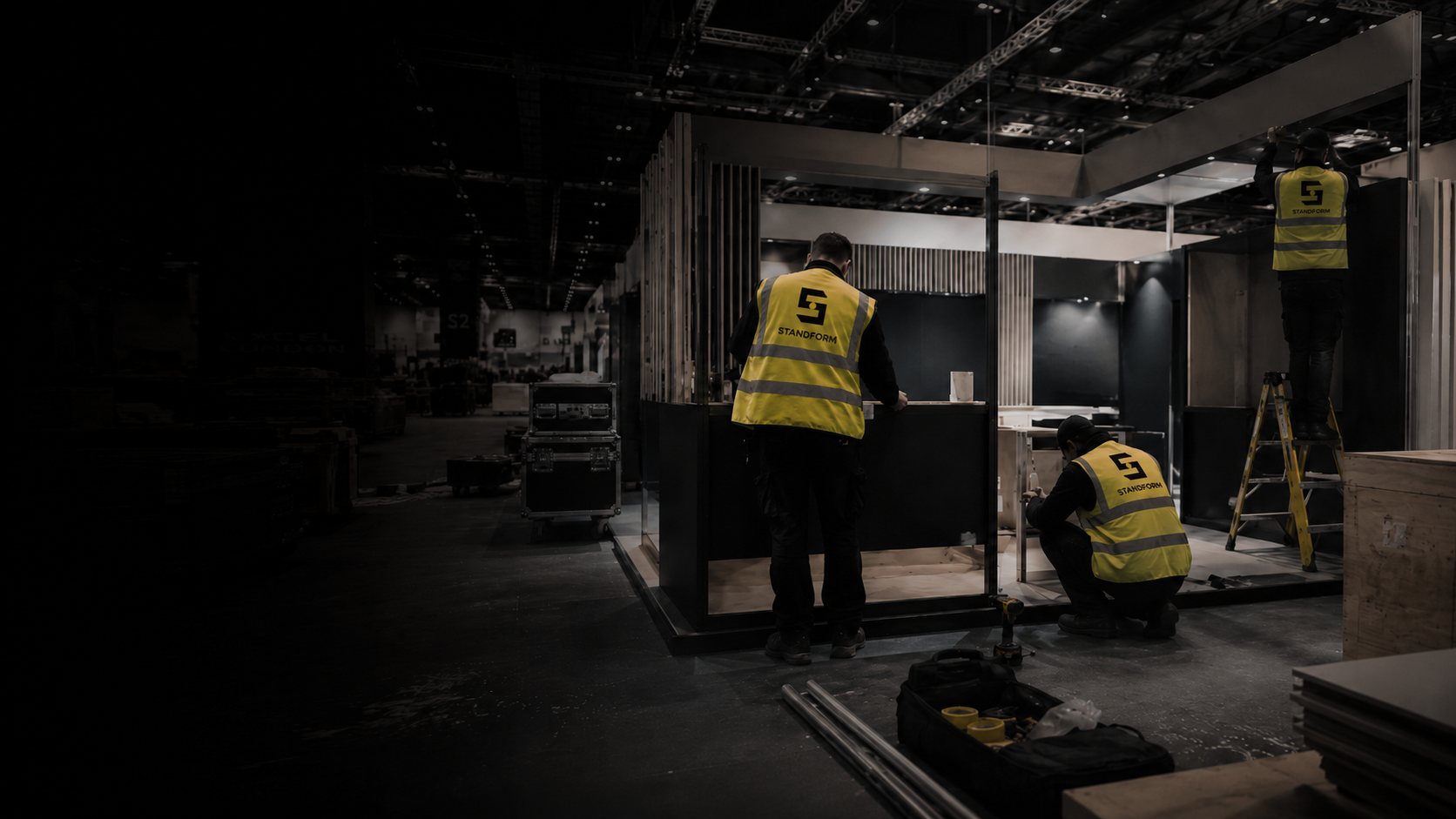
Delivery, crew and assembly sequenced against the build window the venue allows. The stand is assembled, finished and checked in the time available, not in the time we would prefer.
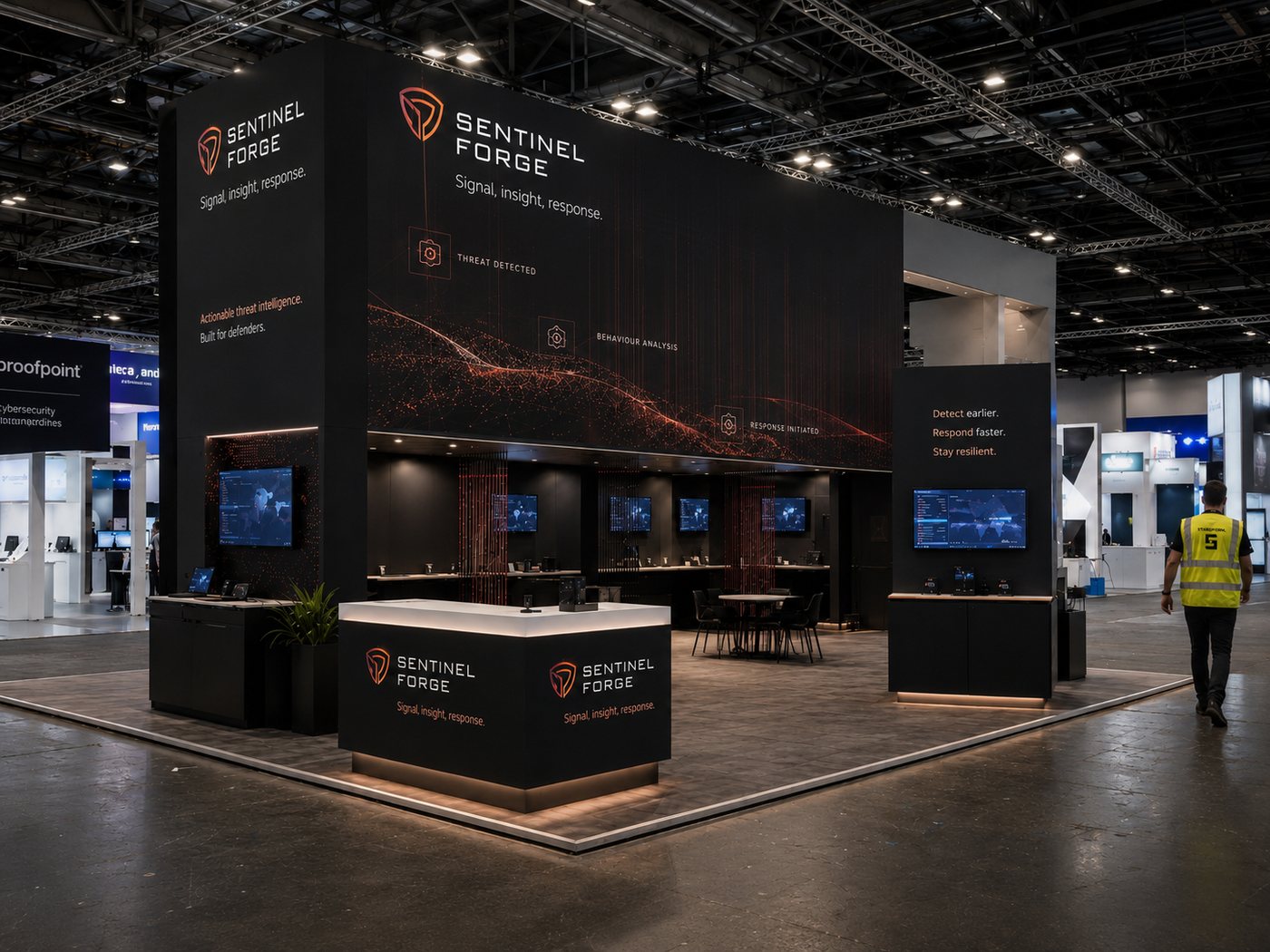
Final checks completed and the stand handed over before the exhibition opens. This is the only deadline that does not move.
The stand is taken down in order, components are checked and, where the stand is built to be used again, they are repaired, logged and stored for the next show.
What moves, and what does not
The opening time
Does not move. Everything is planned back from it.
The access window
Rarely moves. The build is sequenced inside it.
Production lead times
Move only at a cost. Sign-off protects them.
The design
Can move, if it moves early.
Working back from a date already set?
Send the opening date and the venue. The schedule is built from that point, not from a hopeful start date.
Send us your floorplanLondon-based · UK & Europe